Smart Veritas Delivers CFE Deployment Analysis for Enshore Subsea
By Smart Veritas · 14 October 2026
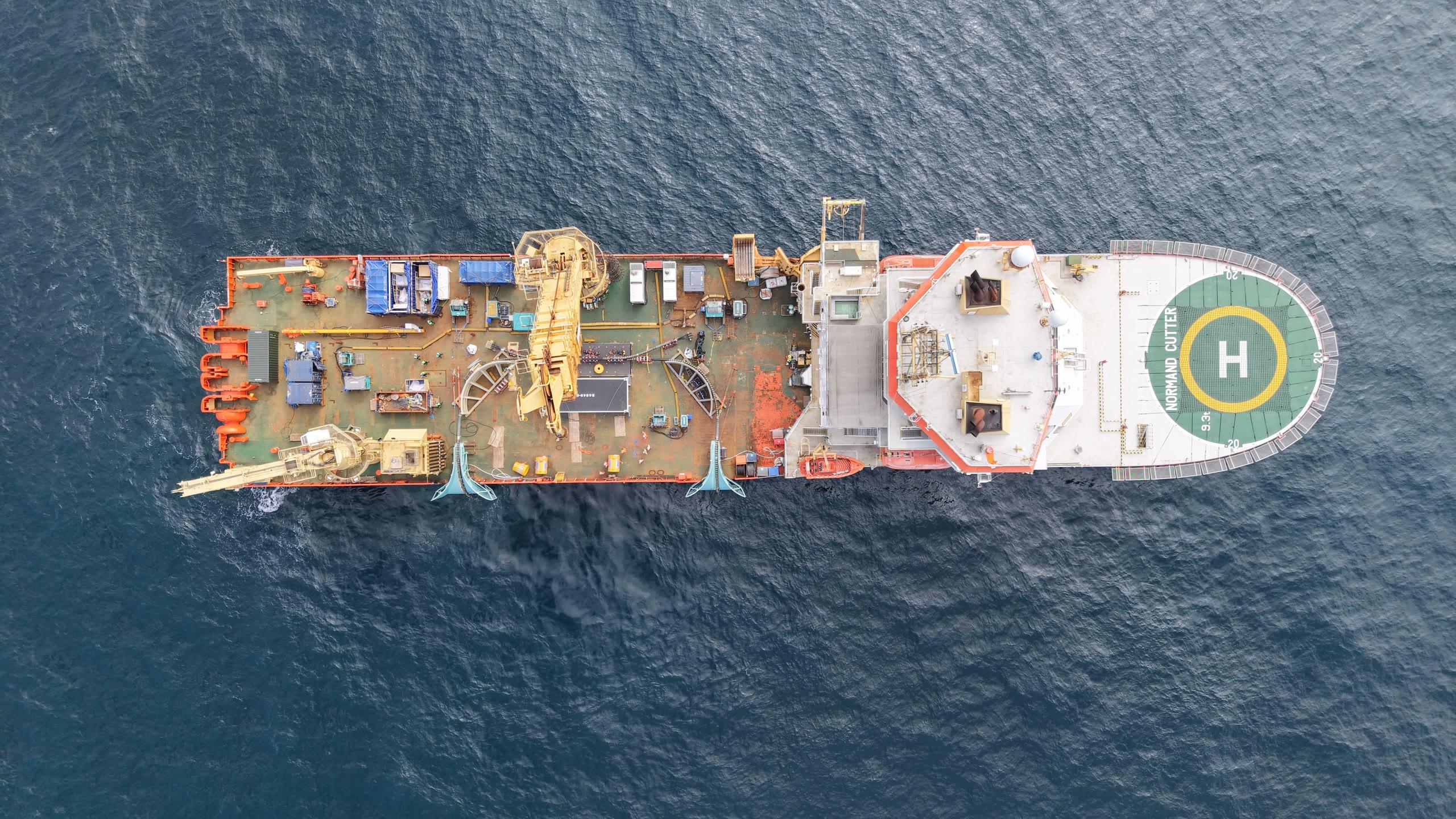
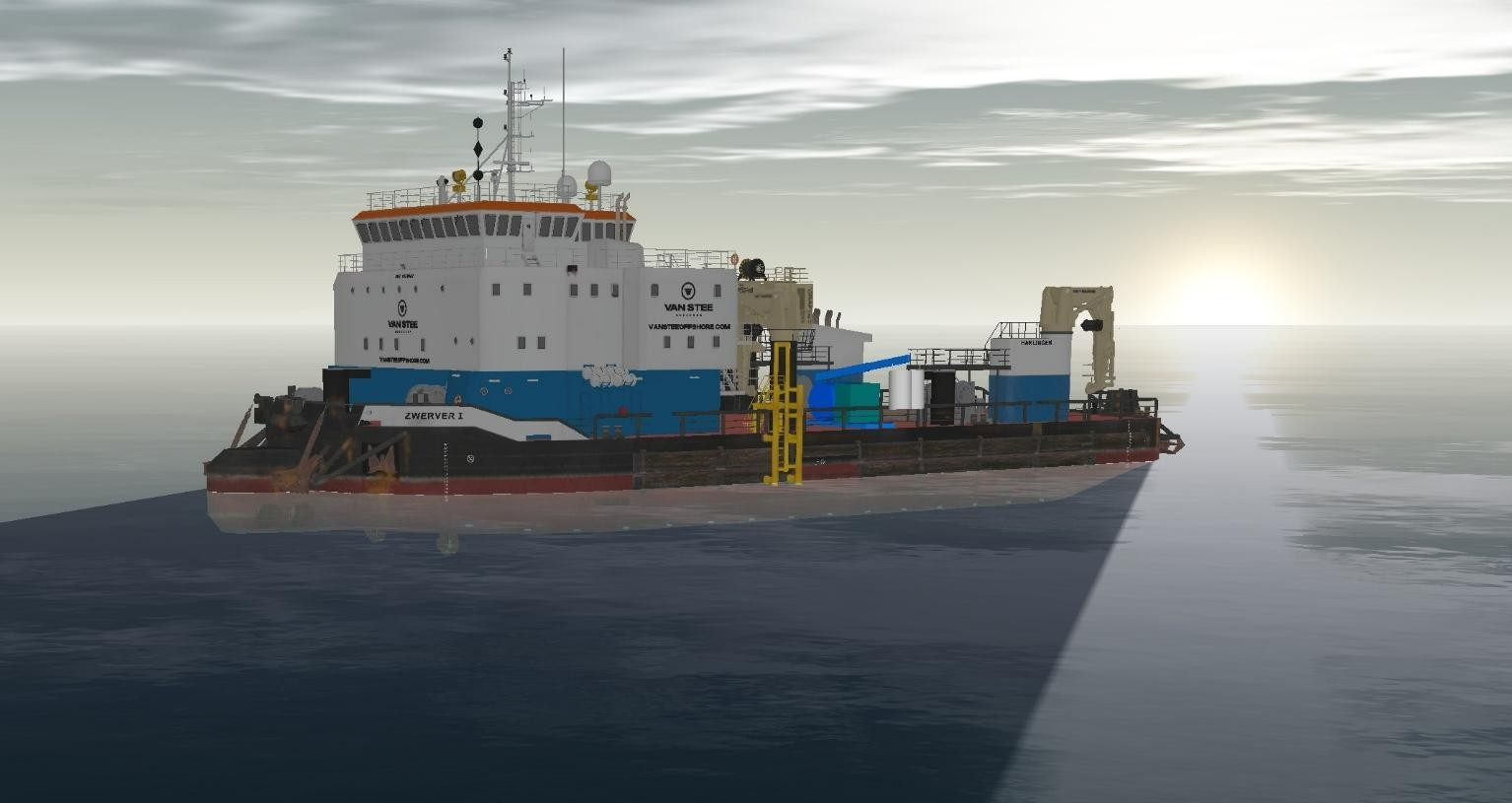
Smart Veritas has delivered controlled flow excavator (CFE) deployment and recovery analysis for Enshore Subsea on an offshore wind farm export cable, assessing the Seatools Carrera 4 CFE from two vessels: the OSV Zwerver I and the OSV VOE Vanguard.
The Carrera 4 is a 29.6 tonne twin-propeller excavation tool, deployed over the side by its own self-contained launch and recovery system (LARS) on the vessel's back deck. The analysis confirms that the LARS, hoist wire and tool stay within their operational and design limits throughout deployment and recovery, and sets out the sea states in which each stage of the operation can proceed.
For each vessel, our engineering team delivered:
- Vessel motion modelling for the operational loading condition, with diffraction analysis to develop the vessel response
- CFE and LARS modelling covering the tool's mass, buoyancy, drag and slamming properties, the hoist wire and the built-in LARS
- Still water transient analysis of the full deployment and recovery sequence
- Dynamic analysis of the critical stages — CFE outboard in air, through the splash zone and near the seabed — in accordance with DNV-ST-N001, at water depths of 43 m and 58 m along the export cable route
- Workability assessment against LARS winch pull, hoist wire working load, slack sling, side shell clearance and seabed clearance limits, with workability rosettes for every stage including the benefit of weathervaning
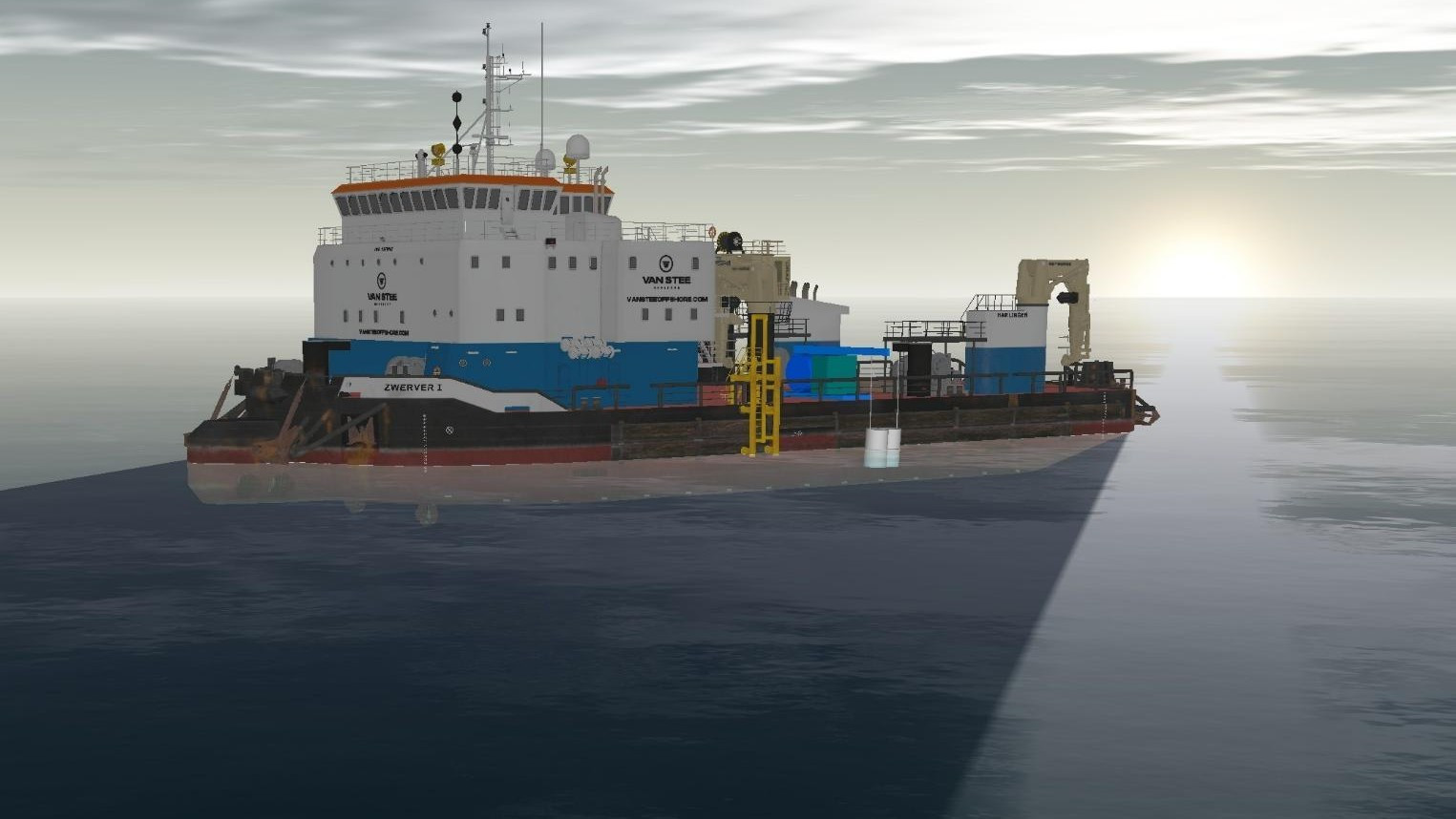
For both vessels the splash zone governed. Wave loading on the tool as it passes through the surface drives swinging motions that can breach side shell clearance and slack sling limits, so the analysis identified the wave directions to avoid and showed where weathervaning improves workability, giving the offshore team clear limits for each stage of the operation.
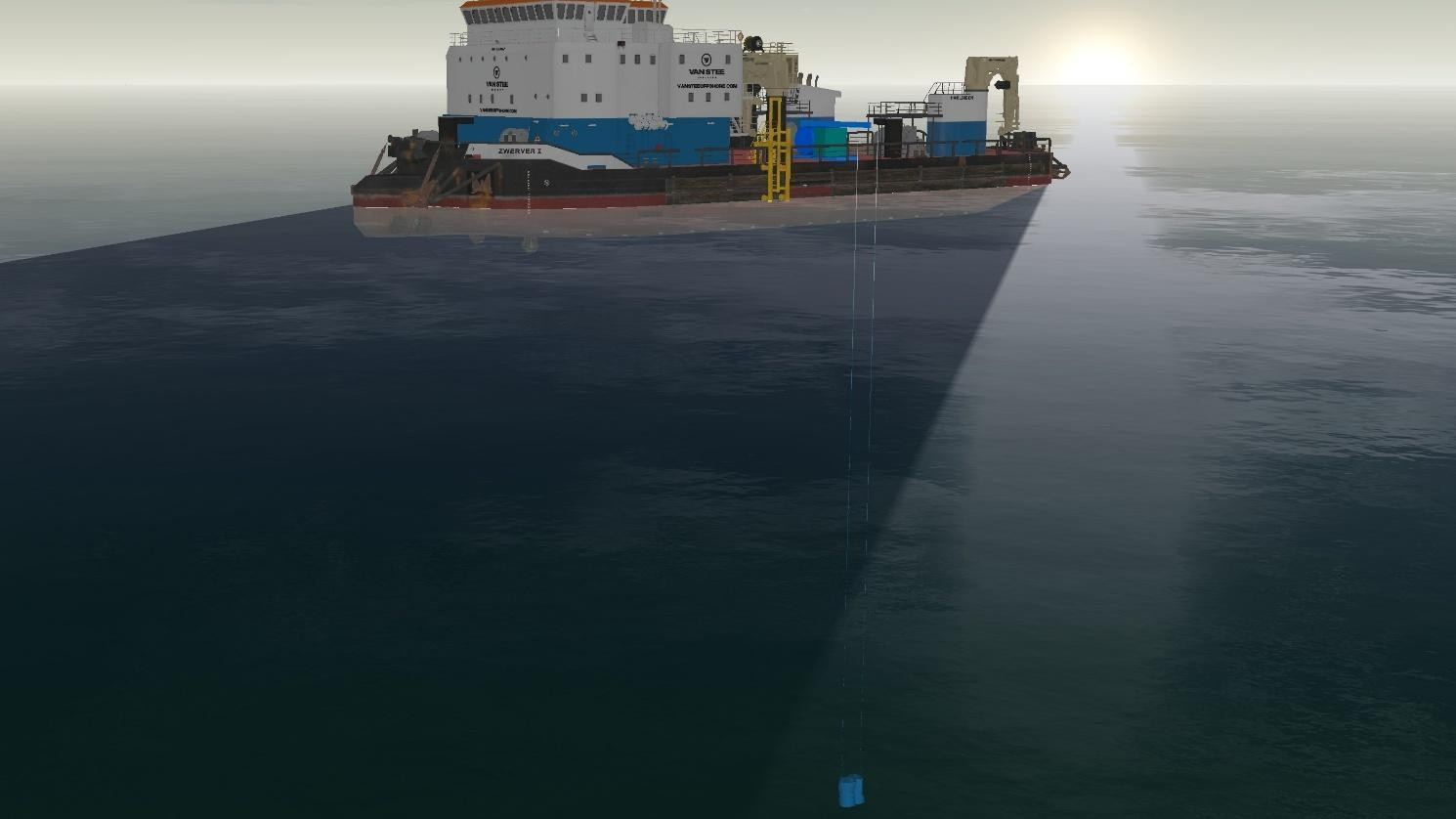
Each stage was assessed across twelve wave directions, a range of wave periods and two water depths, for two vessels. FlexDeck, our distributed OrcaFlex simulation platform, made that volume of time-domain analysis practical: its automated wave search stepped through sea states to find the limiting significant wave height for every direction and stage, running the simulations in parallel and producing the workability rosettes directly from the results. This allowed the second vessel to be assessed and issued within a week of the first.
All work was performed in accordance with DNV-ST-N001, delivered under our ISO 9001 certified management system.
This work continues our engineering support for Enshore Subsea, following our recent DP capability assessment of the Olympic Triton.